
Introduction
Buy now, pay later services make it easier to divide purchases into smaller payments. One popular option is Klarna, which allows eligible shoppers to pay immediately, split payments, or choose certain longer-term financing options.
However, if you want to build a stronger credit history, you may be wondering: does Klarna improve credit score, or does it simply help you spread out the cost of a purchase?
The answer depends on the payment product you use and how the transaction is handled.
In the United States, Klarna’s standard short-term payment options generally do not build your traditional credit score through on-time payments because those payments are not necessarily reported as conventional credit history. Klarna states that its U.S. Pay in 4, Pay in 30 days, and Pay over time options involve soft credit checks, which do not affect your credit score.
However, failing to repay a Klarna balance can still create financial problems. If an unpaid debt is referred to a collection agency and reported to a credit bureau, it could damage your credit history.
This guide explains how Klarna works, whether it helps build credit, what happens when you miss payments, and which alternatives may be more suitable if improving your credit score is your main goal.
Does Klarna Improve Credit Score?
Generally, using Klarna’s standard buy now, pay later options does not directly improve your traditional credit score simply because you make payments on time.
The main reason is that credit scores generally depend on information available in your credit reports. If your Klarna payment history is not reported in a way that the scoring model uses, your successful repayments will not automatically increase your score.
Klarna can still help you manage a purchase by spreading its cost over multiple payments. However, managing payments successfully and building credit are two different things.
According to the U.S. Consumer Financial Protection Bureau (CFPB), most traditional pay-in-four BNPL products have historically not reported routine payment history to the major credit reporting companies. Unpaid balances that reach debt collection may be treated differently.
You can read the CFPB’s explanation of how buy now, pay later loans affect credit scores.
Why On-Time Klarna Payments May Not Raise Your Score
Credit scoring models use information from credit reports to estimate how likely someone is to repay borrowed money.
Depending on the scoring model, relevant information may include:
- Payment history on reported credit accounts.
- How much revolving credit you use.
- The length of your credit history.
- The types of credit accounts you have.
- Recent applications for credit that result in reportable hard inquiries.
When Klarna repayments are not included in the credit information used by a scoring model, paying every installment on time does not give that model additional positive payment history.
For example, imagine you purchase a $200 item using Klarna Pay in 4 and repay $50 every two weeks.
You make all four payments on time and clear the balance.
You have successfully repaid the purchase, but your traditional credit score may remain unchanged because the repayment history may not be included in the information used to calculate it.
This does not mean that paying on time is unimportant. It means that successful repayment does not necessarily translate into a higher credit score.
Does Klarna Pay in 4 Build Credit?
Klarna Pay in 4 allows eligible customers to divide a purchase into four payments, generally scheduled two weeks apart.
This option can make a purchase easier to budget for, but you should not rely on Pay in 4 as a credit-building tool.
Klarna’s U.S. payment information indicates that Pay in 4 uses a soft credit check. A soft inquiry does not lower your credit score.
However, the credit check used to assess eligibility is different from reporting your repayment history. A lender can evaluate information about you without reporting each successful payment as a traditional credit account.
Here is what that means in practice:
| Pay in 4 activity | Potential credit-score effect |
|---|---|
| Applying for Pay in 4 using a soft inquiry | Does not lower your score |
| Making every payment on time | Does not automatically improve your score |
| Paying off the purchase | Does not automatically increase your score |
| Missing a payment | May affect your Klarna account and could create further consequences |
| An unpaid balance being reported by a debt collector | Could negatively affect your credit score |
The precise consequences depend on the circumstances, the reporting practices involved, and the credit-scoring model.
If your main objective is to establish positive credit history, look for a financial product that explicitly reports eligible payment activity to the major credit bureaus.
Does Klarna Perform a Hard or Soft Credit Check?
Klarna’s credit-check process depends on the product and the application involved.
For its U.S. Pay in 4, Pay in 30 days, and Pay over time options, Klarna’s published information states that it uses soft credit checks. These checks do not affect your credit score and are not visible to other lenders as hard inquiries.
A soft inquiry can help a company assess eligibility without the score impact associated with a hard inquiry.
What Is a Soft Credit Check?
A soft credit check is an inquiry that does not lower your credit score.
Examples can include certain prequalification checks and checks made when you review your own credit information.
Klarna may use a soft inquiry to help evaluate whether a customer qualifies for a payment option.
What Is a Hard Credit Check?
A hard credit inquiry typically occurs when you apply for certain forms of credit, such as a credit card or loan.
Hard inquiries can affect your credit score, although the impact is usually limited and depends on your credit profile and scoring model.
Do not assume that every financial product offered through a buy now, pay later provider follows identical rules. Before accepting a longer-term financing agreement or another credit product, read the terms to confirm which credit check applies.
For more information, review Klarna’s U.S. customer service guidance and the relevant terms presented during checkout.
Can Klarna Hurt Your Credit Score?
Yes, Klarna-related debt can potentially hurt your credit score, even when routine payments under a particular payment plan are not reported as traditional credit history.
The main concern is what happens when you fail to repay what you owe.
If you miss payments, Klarna may restrict your ability to make further purchases. Depending on the applicable agreement and circumstances, an unpaid balance may eventually be referred or transferred to a debt collection agency.
If the debt collector reports the debt to a credit reporting company, the resulting information could negatively affect your credit score.
The CFPB explains that unpaid BNPL debt may reach collections and that reported collection activity can damage credit scores.
What Happens If You Miss a Klarna Payment?
The consequences depend on your payment plan and the applicable terms.
Possible outcomes include:
- A payment becoming overdue.
- Restrictions on future Klarna purchases.
- Additional collection activity if the debt remains unpaid.
- A negative credit-report entry if the debt is reported by an eligible party.
- Other consequences permitted by the applicable agreement and law.
Not every missed Klarna payment automatically appears on your traditional credit report. Similarly, not every unpaid balance will immediately cause a measurable score decrease.
However, you should never assume that an unpaid balance is harmless simply because your original purchase was made through a buy now, pay later service.
If you are struggling to make a payment, contact Klarna through its official support channels and ask about your available options.
Does Paying Off a Past-Due Klarna Balance Help?
Paying an overdue balance can help resolve the outstanding debt and prevent the situation from becoming more serious.
However, paying the balance does not guarantee an immediate credit-score increase.
If negative information has already been reported, the effect of paying the debt depends on the reporting circumstances, the accuracy of the information, and the credit-scoring model.
A paid collection account may be treated differently from an unpaid one under some scoring models, but paying a debt does not automatically remove accurate negative information from a credit report.
If you believe information has been reported incorrectly, contact the reporting company and the company that supplied the information to ask about disputing it.
Does Klarna Report to Credit Bureaus?
Klarna’s credit-reporting practices depend on the payment product, market, and applicable terms.
In the United States, it is important to distinguish between three separate activities:
- Checking credit information to assess eligibility.
- Reporting repayment information to credit bureaus.
- Using reported information in a credit-scoring model.
These activities are not the same.
Klarna can assess a customer’s eligibility using credit-related information without automatically creating positive credit history from each repayment.
Similarly, the presence of buy now, pay later information in a consumer report does not necessarily mean that every credit-scoring model uses that information.
TransUnion explains that BNPL information it receives may be visible to consumers while not currently affecting credit scores or credit decisions through its described reporting arrangement. Experian also explains that BNPL information is not currently incorporated into its existing traditional credit scores, although reporting and scoring practices can evolve.
You can review the relevant information from TransUnion’s BNPL guidance and Experian’s BNPL FAQ.
Because credit-reporting practices can change, check the latest information for your specific Klarna product rather than relying on a general statement about every BNPL transaction.
How to Check Whether Klarna Appears on Your Credit Report
If you want to know whether a Klarna account or collection entry appears in your credit history, follow these steps:
Step 1: Review your credit reports.
Obtain your available credit reports from the major U.S. credit reporting companies.
You can access eligible free reports through AnnualCreditReport.com.
Step 2: Look for the account or related debt.
Review the accounts and collection entries listed on each report. Check the company name, balance, account status, and reported dates.
Step 3: Check for errors.
If you find information you do not recognize or believe is inaccurate, investigate it promptly.
Step 4: Dispute inaccurate information when appropriate.
You can contact the relevant credit reporting company and the organization that supplied the information.
Remember that the absence of a Klarna account from a credit report does not mean that you no longer owe the money. Your repayment obligations are determined by the agreement, not simply by whether an account appears on a report.
Klarna vs. Credit Cards for Building Credit
If your main goal is to improve your credit score, a traditional credit card may be more useful than a standard Klarna Pay in 4 purchase.
However, the best option depends on your financial situation, eligibility, fees, and ability to make payments reliably.
| Feature | Klarna Pay in 4 | Traditional credit card |
|---|---|---|
| Payment structure | Usually four scheduled payments | Revolving balance with a minimum payment due |
| Interest | Generally interest-free when paid according to the standard Pay in 4 terms | Interest may apply if a balance is carried |
| Credit check | Klarna states that its U.S. Pay in 4 option uses a soft check | Applications commonly involve a hard inquiry |
| Builds traditional credit history | Not generally a dependable credit-building method | Can build credit when the issuer reports the account and the scoring model uses the information |
| Payment reporting | Depends on the applicable reporting arrangements | Issuers commonly report account activity to credit bureaus |
| Risk of debt | Multiple payment plans can strain your budget | Interest, fees, and high balances can create financial pressure |
A credit card is not automatically better for every person. If you struggle to control spending or frequently carry an expensive balance, using one could make your financial situation worse.
The important difference is that a properly managed credit card that reports account activity can help establish a record of borrowing and repayment.
What If You Have No Credit History?
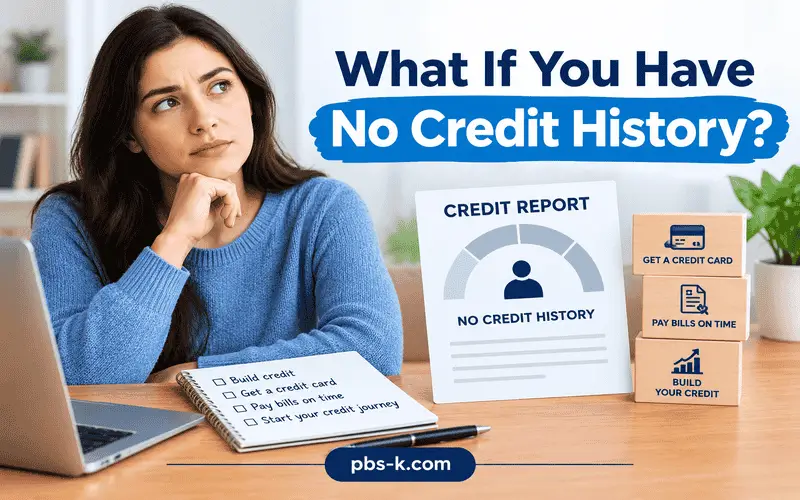
If you are new to credit, consider a secured credit card or a credit-builder loan from a reputable financial institution.
A secured credit card typically requires a refundable deposit that helps establish the credit limit. A credit-builder loan is designed to help borrowers establish a payment history through scheduled repayments.
Before opening an account, confirm that the provider reports payment information to the credit bureaus you want to build history with.
Also review the fees, interest rates, eligibility rules, and repayment requirements.
You do not need to borrow more money than you can comfortably repay to build credit.
How to Improve Your Credit Score Without Klarna
If you want to strengthen your credit profile, focus on actions that can contribute to positive information in your credit reports.
1. Pay Reported Credit Accounts on Time
Payment history is an important factor in many credit-scoring models.
Pay your credit cards, loans, and other reported credit obligations by their due dates. Consider setting up automatic payments or reminders to reduce the risk of missing a deadline.
Make sure your bank account has sufficient funds if you use automatic payments.
2. Keep Credit Card Balances Low
Credit utilization describes how much of your available revolving credit you are using.
For example, if your credit card limit is $1,000 and your reported balance is $300, your utilization is 30%.
Lower utilization is generally better for many scoring models, although no single percentage guarantees a particular score.
Paying down balances can help reduce utilization, but the effect depends on your overall credit profile.
3. Avoid Applying for Too Much Credit at Once
Multiple credit applications over a short period may result in several hard inquiries.
Hard inquiries can affect your score, and opening several accounts quickly may influence how lenders assess your application.
Apply for credit when you have a genuine need rather than opening accounts simply to chase a higher score.
4. Maintain Accounts Responsibly
The length of your credit history can matter to credit scoring.
Keeping an established account open may help preserve its contribution to your credit history, provided the account remains suitable for your needs and does not carry unnecessary costs.
Do not keep an expensive account solely for credit-scoring purposes without considering its fees and benefits.
5. Check Your Credit Reports for Errors
Incorrect balances, unfamiliar accounts, duplicate entries, and inaccurate late-payment records can create problems.
Review your reports periodically and dispute inaccurate information through the appropriate channels.
Checking your own credit report does not lower your credit score.
6. Consider a Secured Credit Card or Credit-Builder Loan
If you have limited credit history, these products may offer a more direct way to establish reported repayment history than standard BNPL purchases.
Compare providers carefully. Look for transparent fees, manageable repayment terms, and confirmation that the account reports to the relevant credit bureaus.
7. Avoid Taking on Debt Just to Build Credit
You do not need to make unnecessary purchases or borrow money you cannot afford.
A sensible credit-building strategy focuses on manageable obligations, consistent payments, and responsible account use.
Klarna can be convenient when you need to divide a purchase into smaller payments, but it should not be treated as a shortcut to a better credit score.
Is Klarna Good for People With Bad Credit?
Klarna may be available to some people with limited or less-than-perfect credit, but approval is not guaranteed.
Klarna evaluates each purchase using its applicable eligibility and risk-assessment processes. Its decisions may depend on available credit information, previous Klarna activity, outstanding balances, the purchase amount, and other relevant factors.
Having used Klarna successfully in the past does not guarantee approval for your next purchase.
If your credit score is low, consider whether using another payment plan will genuinely help your finances.
For example, dividing a $400 purchase into smaller payments might make the immediate cost seem manageable. However, if you already have several outstanding payment plans, adding another obligation could make your budget more difficult to manage.
Before accepting a new payment plan, ask yourself:
- Can I afford every scheduled payment?
- Do I already have other outstanding BNPL balances?
- Will this purchase leave enough money for rent, food, utilities, and other essential expenses?
- Am I using Klarna because it fits my budget or because I cannot afford the purchase outright?
If you are trying to improve your credit, concentrate on paying existing obligations on time, reducing expensive debt, and choosing financial products that support your long-term goals.
Common Myths About Klarna and Credit Scores
Myth 1: Paying Klarna on Time Always Improves Your Score
Fact: On-time payments only help build traditional credit history when the relevant information is reported and used by the scoring model. Standard Klarna Pay in 4 payments should not be relied upon to increase your score.
Myth 2: Klarna Never Affects Credit
Fact: Klarna’s standard U.S. payment options use soft credit checks, according to its published information. However, unpaid debts that reach collections may be reported and could damage your credit history.
Myth 3: Every Klarna Payment Is Reported to All Three Credit Bureaus
Fact: Reporting depends on the product and applicable arrangements. Do not assume that every Klarna transaction is reported to Experian, Equifax, and TransUnion.
Myth 4: Paying a Collection Account Immediately Removes It From Your Credit Report
Fact: Paying an overdue debt does not automatically remove accurate negative information. The treatment of the entry depends on applicable reporting rules and the scoring model.
Myth 5: Using Buy Now, Pay Later Is Always Better Than Using a Credit Card
Fact: Each payment method has different costs, repayment structures, and risks. A BNPL plan may help with short-term budgeting, while a responsibly managed credit card may offer a more direct route to establishing traditional credit history.
Neither option is automatically right for everyone.
FAQs
Does Klarna Improve Credit Score?
Generally, no. Standard Klarna Pay in 4 purchases are not a dependable way to improve your traditional credit score because successful payments do not necessarily appear as positive credit history in the scoring models lenders use.
Does Klarna Pay in 4 Build Credit?
Klarna Pay in 4 should not be relied upon to build credit. Klarna states that its U.S. Pay in 4 option uses a soft credit check, but that check is separate from reporting positive repayment history to credit bureaus.
Does Klarna Do a Hard Credit Check?
Klarna states that its U.S. Pay in 4, Pay in 30 days, and Pay over time options use soft credit checks. These do not affect your credit score. Check the terms of any other Klarna product before applying because credit-check requirements may differ.
Does Klarna Report to Experian, Equifax, or TransUnion?
Reporting arrangements depend on the product and the applicable terms. Do not assume that all Klarna payments are reported to all three major credit bureaus. Check the latest information for your specific payment option.
Can Missed Klarna Payments Hurt Your Credit Score?
Yes, they potentially can. An unpaid Klarna balance may be referred to a collection agency, and reported collection activity could damage your credit score. A missed payment does not automatically produce a credit-report entry in every case.
Does Paying Klarna on Time Help Your Credit Score?
Not necessarily. Paying on time is important for meeting your financial obligations, but it does not automatically improve a traditional credit score if the payment history is not reported and used by the scoring model.
Can Klarna Affect My Credit Score When I Apply?
Klarna’s published U.S. guidance states that its standard Pay in 4, Pay in 30 days, and Pay over time options use soft credit checks. Soft inquiries do not lower your score. Confirm the applicable credit-check terms before accepting a different financing product.
Is Klarna Good for Building Credit With No Credit History?
Klarna is not generally the best tool to rely on if your main goal is to establish traditional credit history. A secured credit card or credit-builder loan that reports eligible payments to the major credit bureaus may be more suitable.
Will Paying Off Klarna Increase My Credit Score?
Paying off Klarna clears the balance you owe, but it does not guarantee a score increase. The result depends on whether the account or related debt appears in your credit reports and how the scoring model treats that information.
How Can I Check Whether Klarna Appears on My Credit Report?
Obtain your available reports through AnnualCreditReport.com and review the listed accounts and collection entries. If you find inaccurate information, contact the relevant credit reporting company and the organization that supplied the information to dispute it.
Conclusion
So, does Klarna improve credit score? Generally, not through routine on-time payments under its standard U.S. buy now, pay later options. Those payments do not automatically build traditional credit history, and using Klarna should not be treated as a guaranteed credit-building strategy.
However, failing to repay a Klarna balance can create financial consequences. If an unpaid debt reaches collections and is reported to a credit bureau, it could negatively affect your credit score.
If your main goal is to build credit, focus on paying reported accounts on time, keeping credit card balances manageable, reviewing your credit reports, and considering products that report eligible payment history.
Use Klarna only when the repayment schedule fits your budget. A payment plan should make managing a purchase easier, not create additional financial pressure.